Confirmed facts
Kawasaki Heavy Industries’ July 16 announcement with NVIDIA is best read as a deployment framework for industrial robotics, not as the launch of a finished autonomous shipyard. The companies plan to develop a digital shipyard centered on Kawasaki’s Sakaide Works, linking vessel design, construction data, robotics, simulation and physical AI. For engineering and operations teams, the important question is therefore not whether the system sounds intelligent, but which parts are ready to be verified on the shop floor.
Source statements
The official announcement identifies four robot-relevant work areas: welding, painting, inspection and material handling. Kawasaki and NVIDIA say they will build a framework for motion planning, path generation, simulation and on-site applicability checks. The announcement also describes the use of real shipyard, construction and inspection data to optimize robot operating conditions and improve quality assessment.
Newsroom analysis
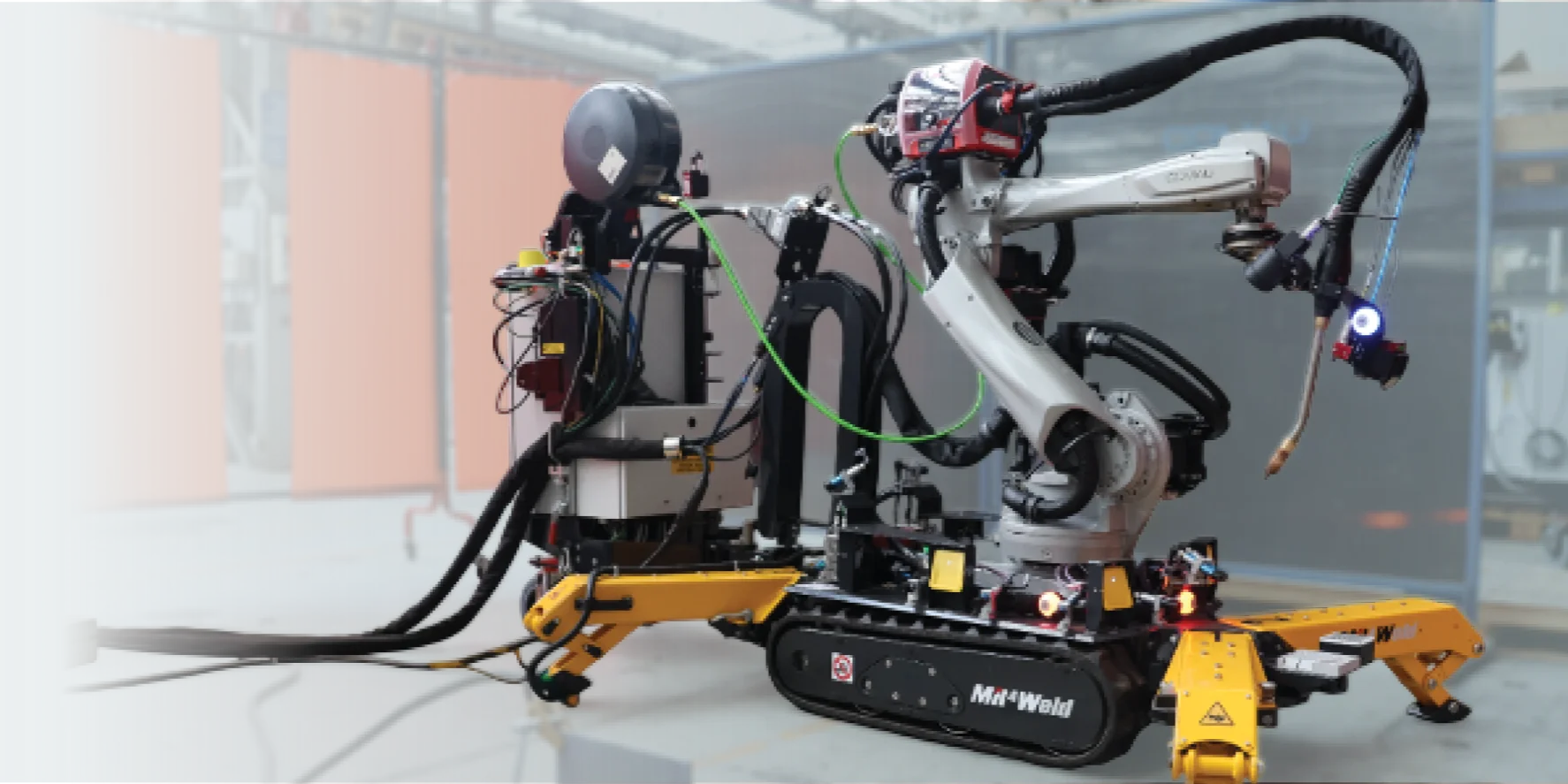
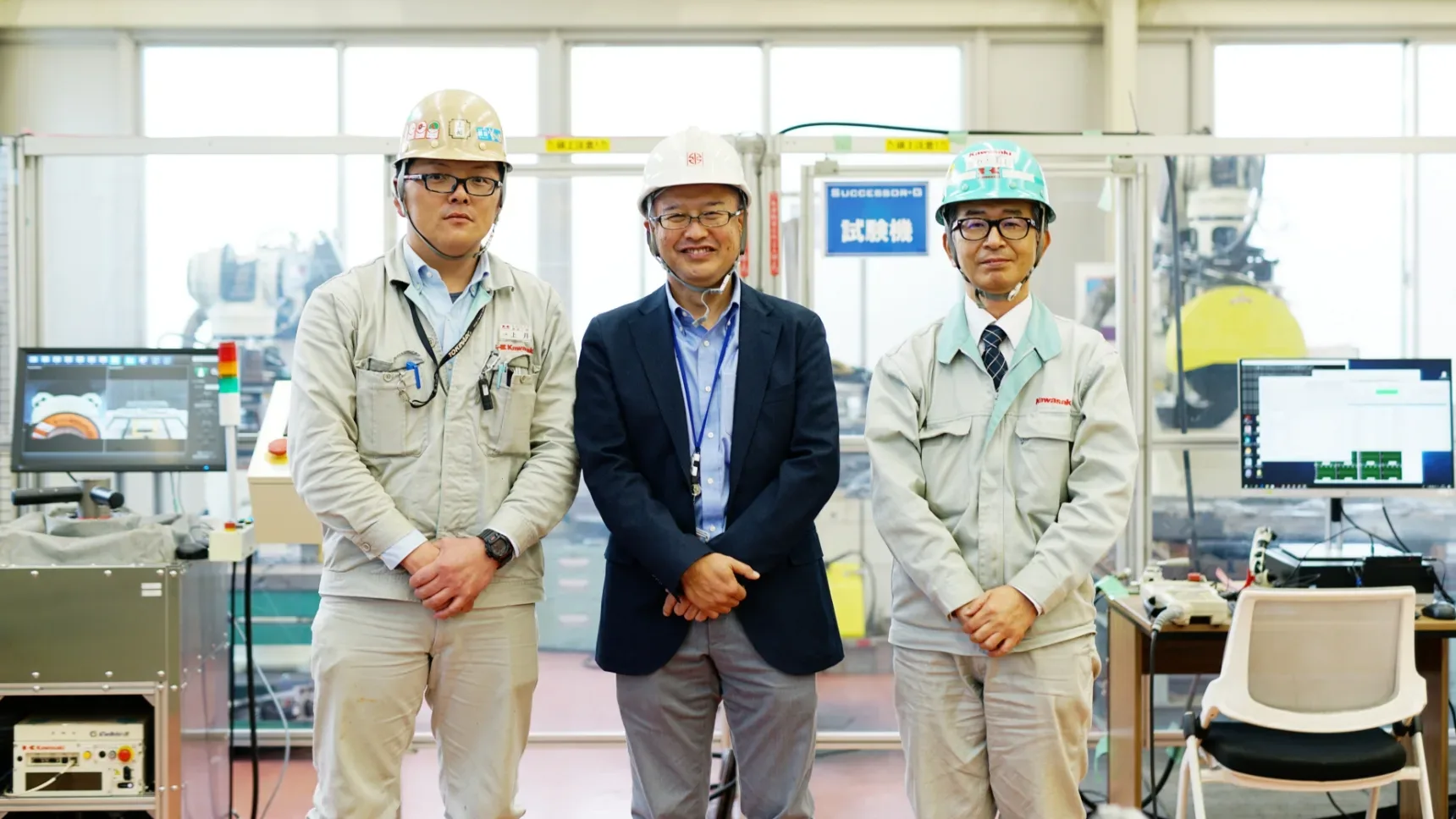
What the digital shipyard plan actually commits to The proposed system combines digital twins with Kawasaki’s commercial vessel data, including BOM and BOP information: the bill of materials and the bill of process. That could give an integrator a way to evaluate a robot task against the planned work sequence before equipment reaches the cell. NVIDIA’s physical AI stack, including Omniverse and Isaac, is named as part of the collaboration, but the release does not publish a robot model, payload, reach, cycle-time target or acceptance threshold. That distinction matters. A simulation can expose collisions, unreachable poses, poor tool access or an inefficient path, but it does not by itself prove weld quality, coating performance, inspection accuracy or recovery behavior in a changing shipyard. Kawasaki says the program will proceed through phased demonstration and implementation. The first step is technology verification and identification of on-site challenges at Sakaide Works, followed by possible application to other large structures and manufacturing sites. In practical terms, the announcement describes a pipeline that still needs evidence at each handoff: a path generated in software, a simulated task, a physical trial, a quality check and a documented recovery process when the environment differs from the model. No production throughput result is claimed yet. A Kawasaki deployment shows where the hard problems remain Kawasaki’s own Harima Works case study provides a useful comparison because it documents an industrial robot already used in an actual workplace. The Successor-G system remotely controls a grinder robot through a communicator with force feedback. At Harima, the target was finishing work on three joined steel plates, each 50 millimeters thick and four meters square. The manual operation previously took about one and a half to two days; after a one-year test, Kawasaki reports that the work time was reduced to roughly half. The result is measurable, but the application is also tightly defined. The operator still supplies visual judgment and task skill through remote control, while the robot handles the physical load, sparks, dust and vibration at the workpiece. Kawasaki says conventional robots were already used at Harima for more repeatable welding and gas-cutting processes. The remote system was considered for work that was harder to program, uneconomic to automate with extensive sensors and fixtures, or too varied for conventional teaching playback. That example points to a realistic limit for the new digital shipyard initiative. Physical AI may help with variable geometry and changing work conditions, but the company has not claimed that a general-purpose model can autonomously complete every shipbuilding task. The useful deployment unit remains a specific process, tool, workpiece and recovery procedure. Safety remains an application-level question Simulation and site verification can reduce rework and expose hazards earlier, but they do not certify a complete robot cell. Kawasaki’s Cubic-S safety system is described as monitoring and limiting robot motion, including speed, force, collision and range of movement, with listed compliance to ISO 10218-1, ISO 13849-1 PLd Category 3 and IEC 61508 SIL2. The announcement does not say that Cubic-S, or any particular safety architecture, will be used for the Sakaide program. That omission is not a flaw in the announcement; it is a reminder that safety depends on the final cell and its operating mode. Welding, painting, inspection and material handling expose workers to different hazards. A deployment team still needs to define access control, safeguarding, emergency stops, tool-specific risks, maintenance procedures and the conditions under which a human may enter the robot’s working envelope. AI-based path generation does not remove those responsibilities. What deployment teams should watch for next Kawasaki’s next useful disclosures would be task-level results rather than broad physical-AI claims. For each pilot cell, operators should be able to compare planned and actual cycle time, first-pass quality, rework, unplanned stops, human interventions and recovery time across representative workpiece variants. Safety evidence should identify the safeguarded zones, stop behavior and validation method for the complete installation. The July announcement is significant because it connects those questions to a concrete site, a defined industrial workflow and a phased verification plan. It is not yet evidence that Kawasaki has delivered an autonomous shipyard, nor does it provide enough data to predict a return on investment. The strongest signal is the order of operations: simulate, verify on site, measure the result and only then expand the deployment. For professional robotics buyers, that is a more credible starting point than treating physical AI as a substitute for cell engineering. Official sources Official source: global.kawasaki.com Official source: kawasakirobotics.com Official source: kawasakirobotics.com Related reading Documented Cobot Pilot Before Scale Up Six Point Humanoid Demo Check