
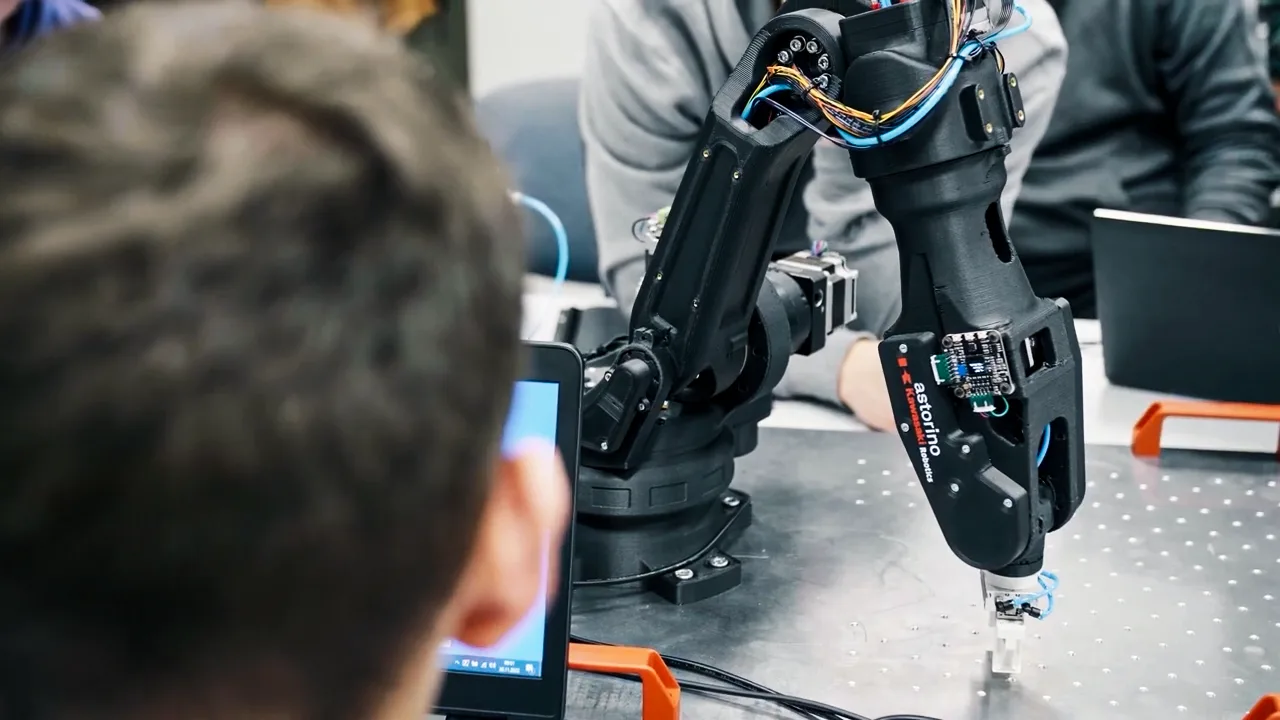
Kawasaki’s Astorino connects six-axis robot training to industrial programming
Kawasaki’s Astorino combines a six-axis robot, industrial-style programming, safety functions and hands-on I/O training for technical education providers.
Lucas examines specifications, integration constraints and the evidence behind factory automation claims.
Kawasaki’s Astorino combines a six-axis robot, industrial-style programming, safety functions and hands-on I/O training for technical education providers.
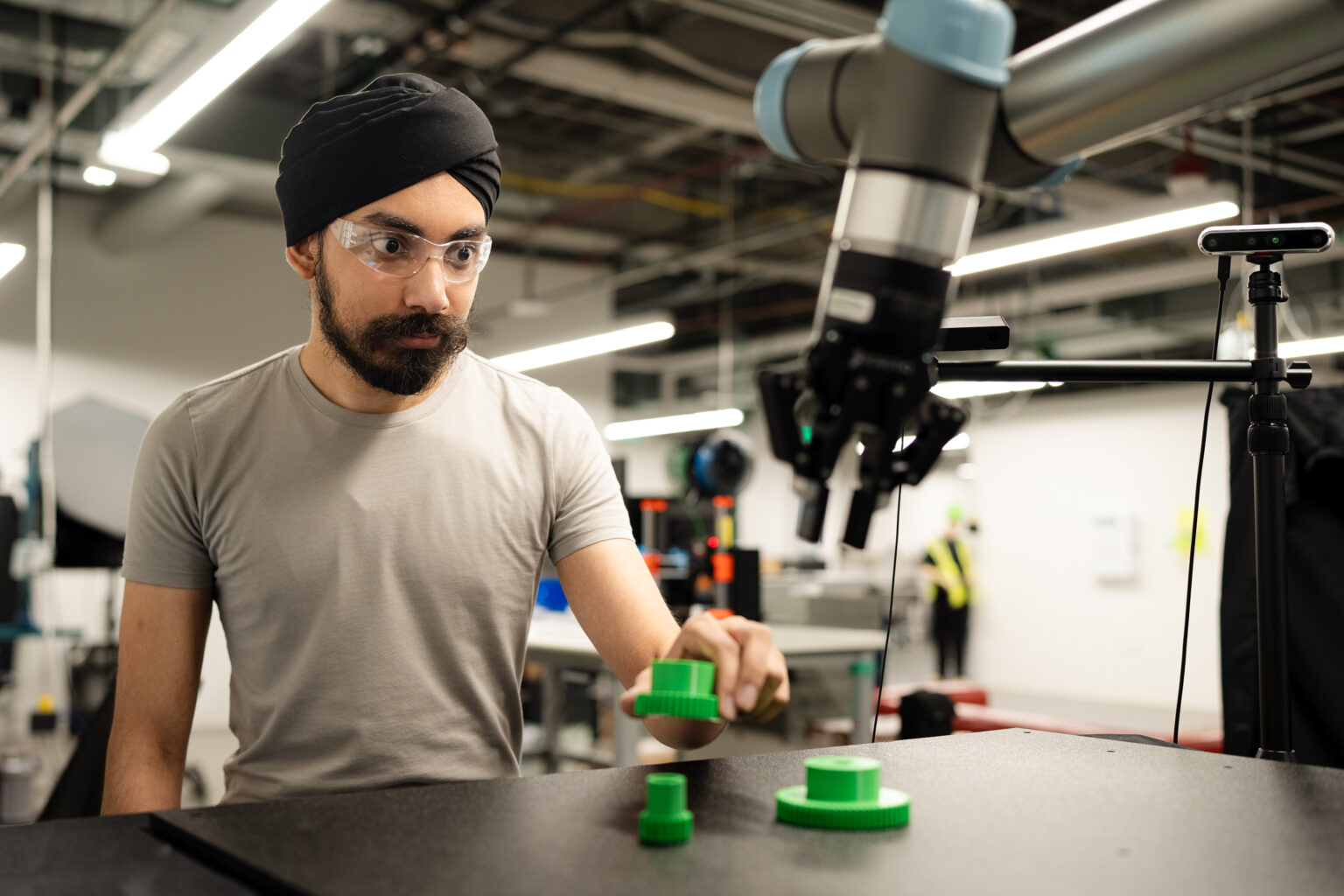
NVIDIA's June 30, 2026 article describes an Isaac ROS software stack for mobile, manipulation and humanoid robots, with deployment options from workstations to Jetson edge systems.
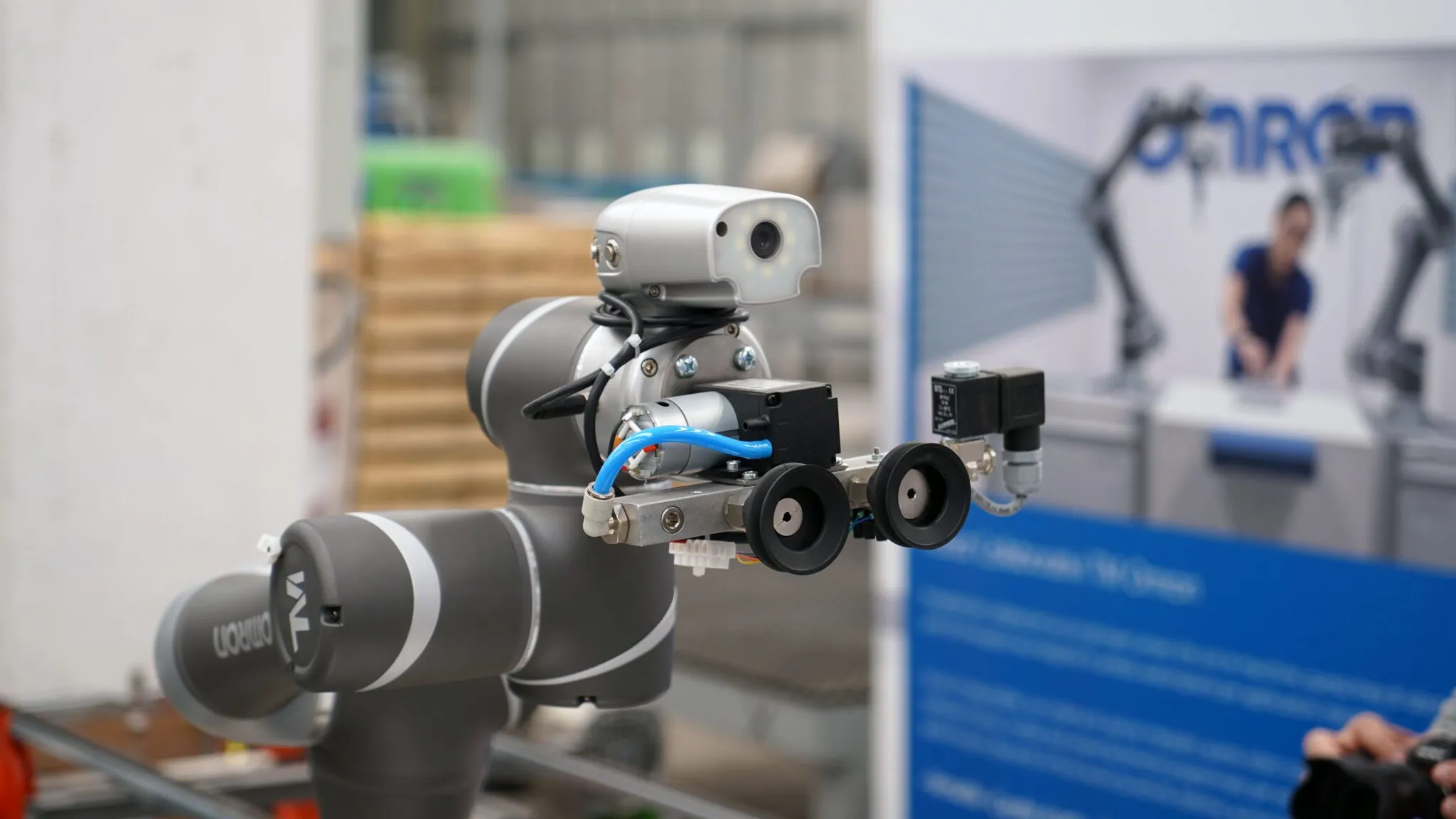
OMRON’s HW3.2 cobot end-of-life notice gives factories a defined support window, but migration planning must account for regional cutoffs, software changes, I/O differences and safety validation.
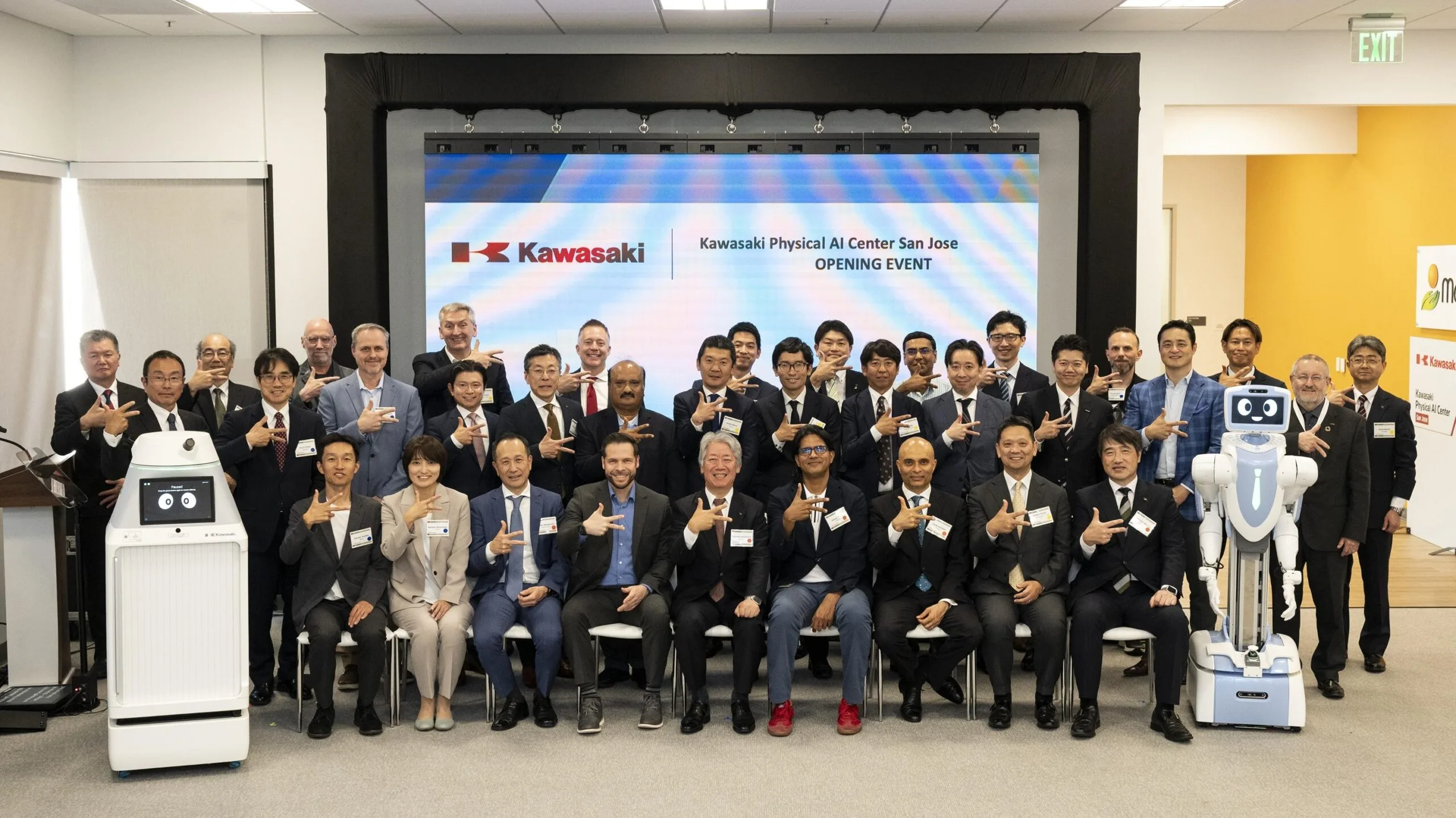
Kawasaki’s San Jose center targets Physical AI deployment in industry and healthcare. We separate the announced mission from verified factory evidence.
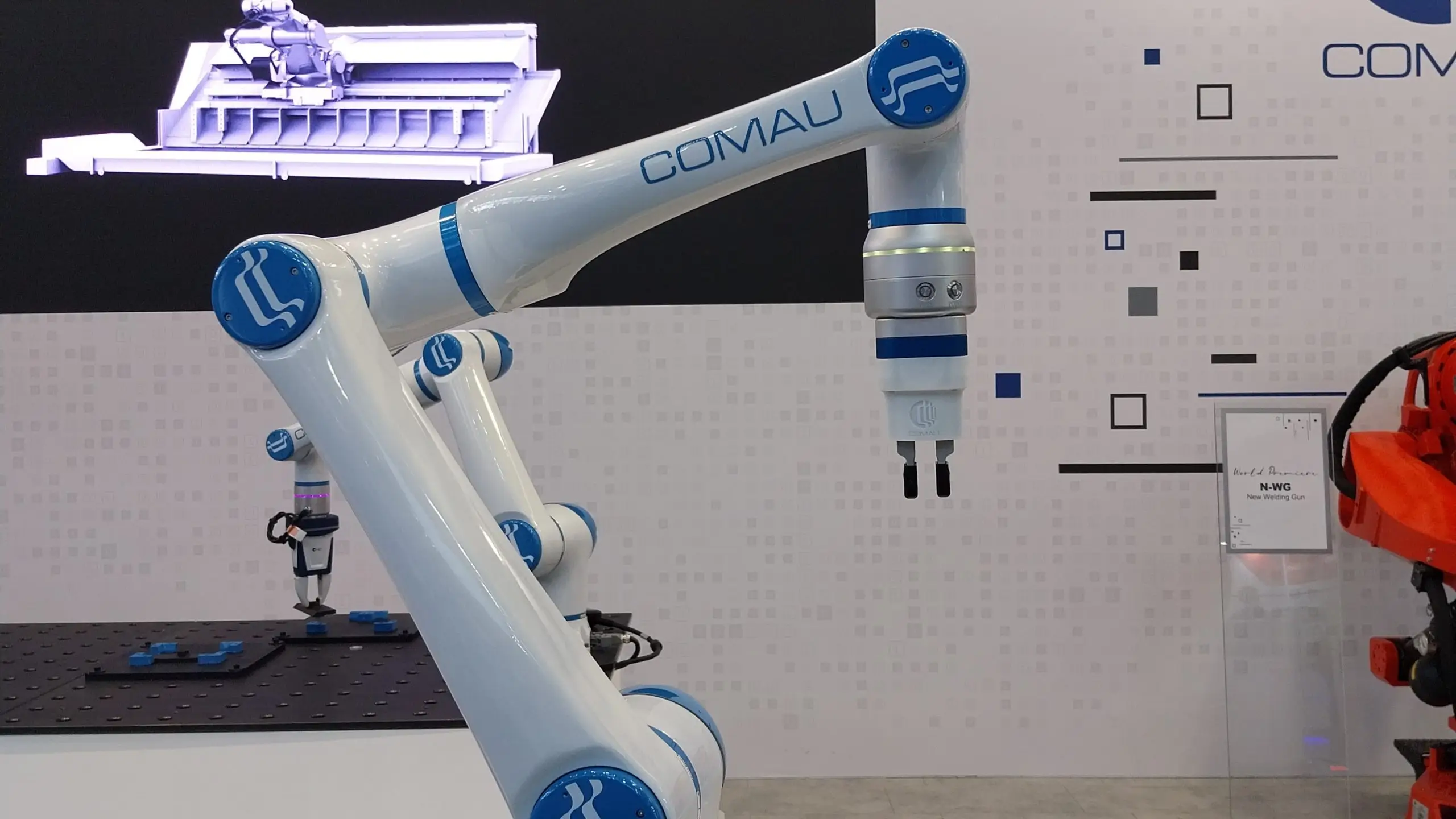
Comau’s CONVERGING project is testing MyCo cobots for additive-manufacturing post-processing and aircraft-wing inspection, while leaving key production metrics unpublished.
Universal Robots announced the UR8 Long with 1,750 mm reach and an 8 kg payload. Here is what that means for welding, bin picking and risk-controlled deployment—not a promise of plug-and-play collaboration.
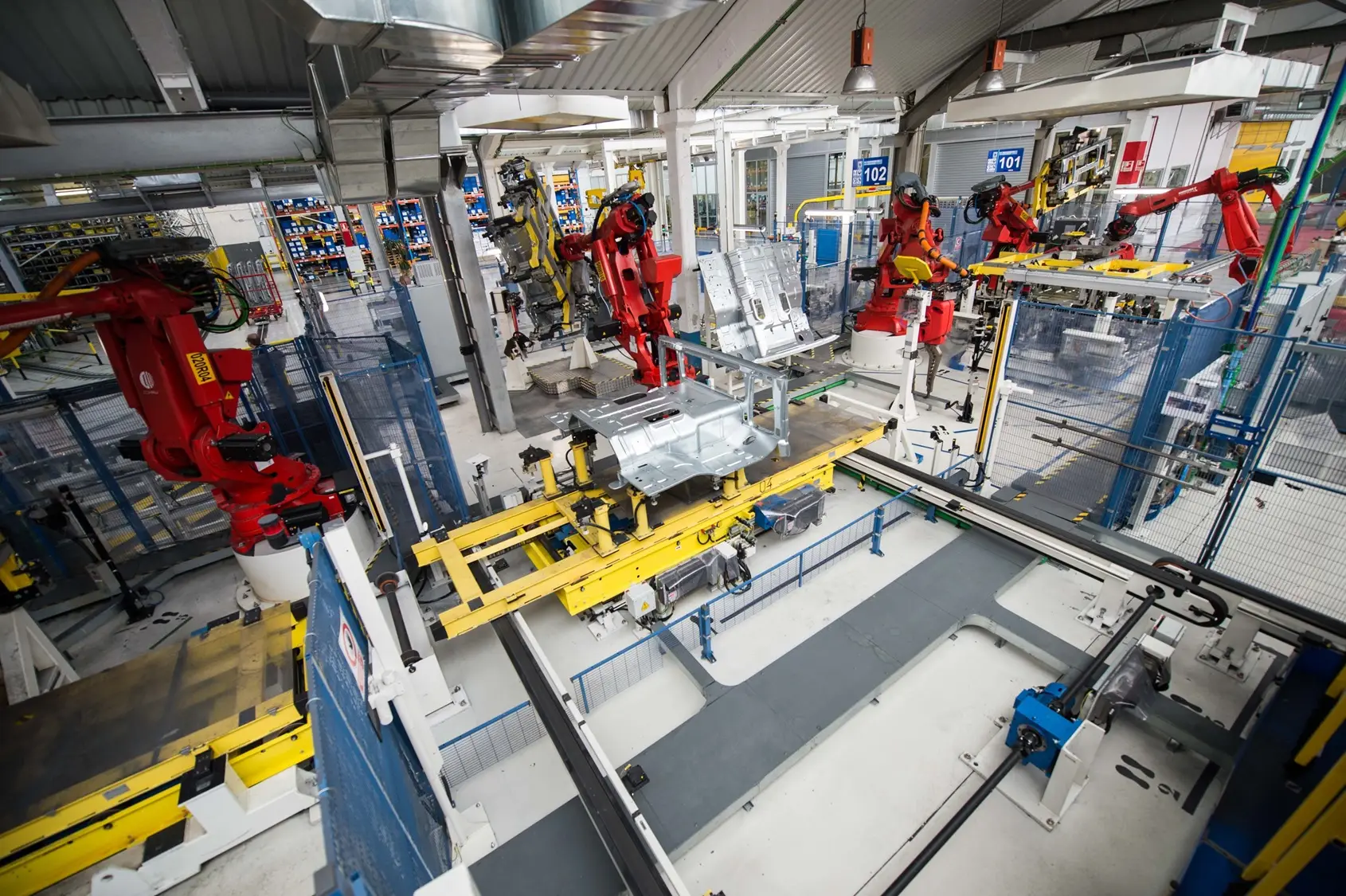
Comau says its in.Grid platform now monitors robots on two IVECO Valladolid assembly lines. The useful question is what it measures—and what remains unproven.
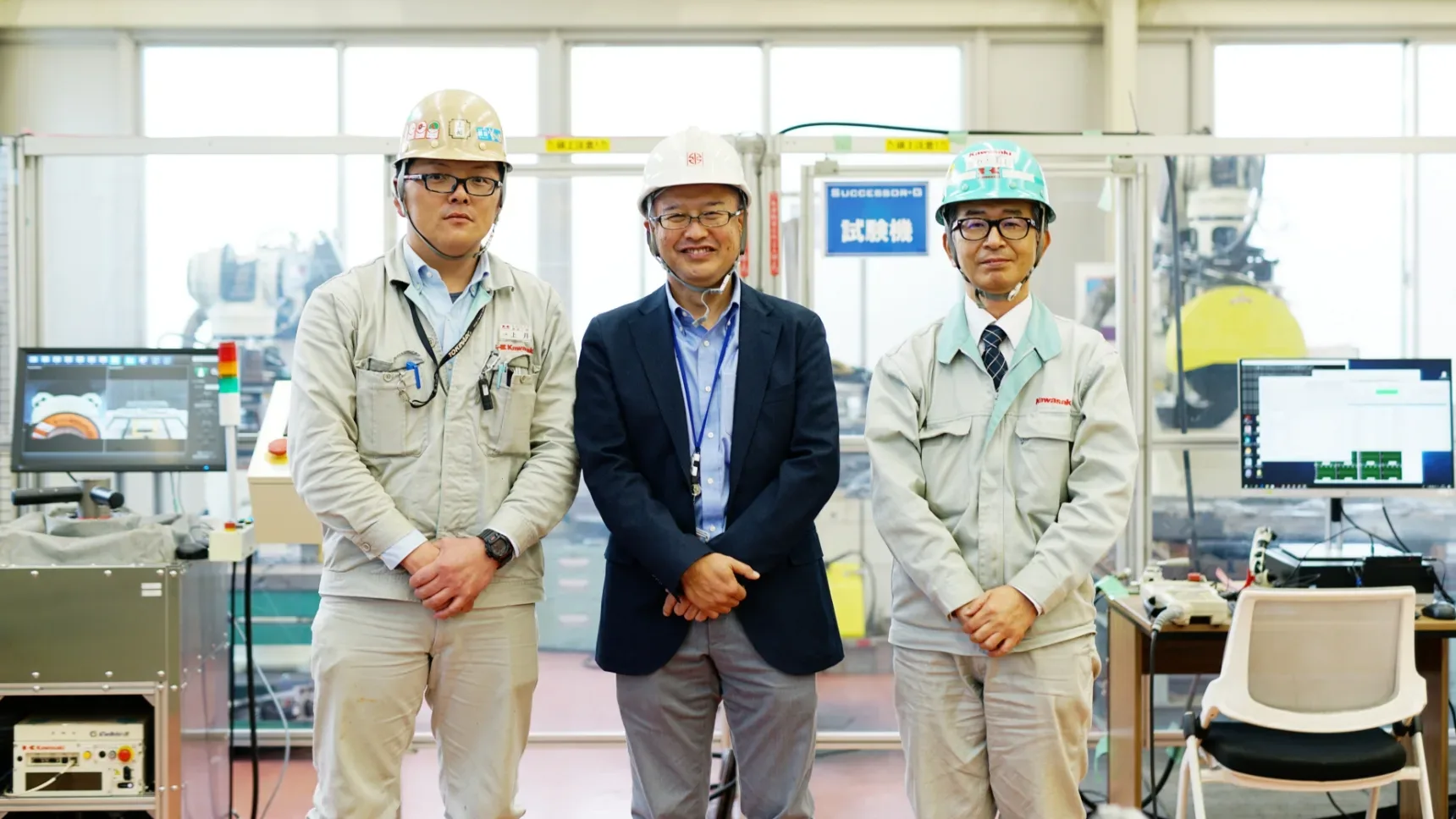
Kawasaki’s July collaboration with NVIDIA targets welding, painting, inspection and material handling, but its first proof point is phased site verification—not an autonomous shipyard already in production.