Confirmed facts
Industrial robot deployments are easier to assess when an announcement names a site, a process and the data being collected. Comau says IVECO has deployed its in.Grid Robot Monitoring platform at the Valladolid plant in Spain. The system sits within the existing automation infrastructure: it collects data from Comau robots, analyses trends and flags deviations for engineering and maintenance teams. This is an operations-monitoring deployment, not a new robot launch and not a published hands-on performance test.
Source statements
What IVECO is running
Newsroom analysis
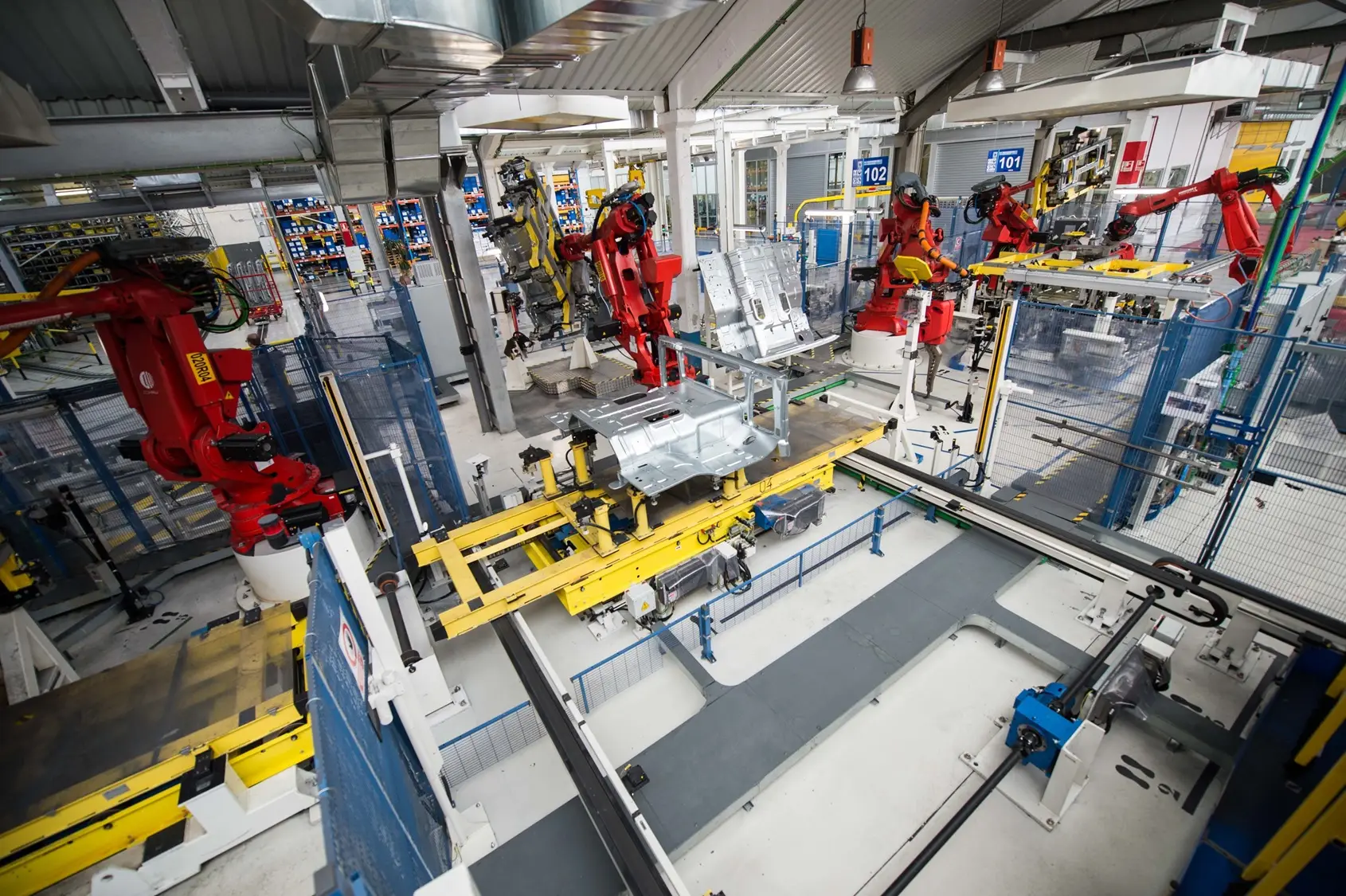
The deployment covers Comau robots on IVECO’s Door Ring and Mascherone assembly lines. Comau also says the wider project included installation of a Framing line and a Door line, with Comau robots and its Versa Pallet transport system. The company describes the production concept as flexible, including a ring-shaped framing layout intended to reduce non-value-added stations. According to Comau’s official deployment announcement, in.Grid provides automated, 24/7, high-frequency monitoring. It captures production and process data directly from robot controllers, identifies performance deviations, signals anomalies and verifies user-defined key performance indicators. The result is a shared view of robot status, utilisation and maintenance needs rather than a separate dashboard for each machine. What the system can measure The useful capability here is observability. IVECO’s engineering team can review historical trends, track variables and monitor spot-welding parameters. Alarm collection and status analysis can help distinguish a recurring micro-stop from a one-off fault, while trend data can support maintenance planning before a deviation becomes an unplanned interruption. Comau’s product documentation also describes asset management, custom-variable monitoring, notifications, multi-plant support and a dedicated edge computer connected to the cloud platform. That makes the deployment relevant to industrial robot and cobot teams evaluating more than nominal payload or reach. A robot may be mechanically capable of a task, yet still create operational friction through alarm frequency, electrode wear, inconsistent cycle behaviour or difficult maintenance access. Monitoring does not change those limits, but it can make them visible across a production line. For a plant engineering group, that evidence is often more actionable than a brochure claim about productivity. The safety boundary matters Comau’s release focuses on uptime, maintenance, reliability and process visibility. It does not claim that in.Grid is a safety-rated motion controller, a collision-avoidance system or a substitute for cell guarding. It also does not say that the IVECO lines operate as barrier-free collaborative workspaces. The factory image shows a conventional guarded assembly environment, which is consistent with treating monitoring and machine safety as separate engineering functions. For deployment teams, the distinction is important. A monitoring platform can report alarms, trends and operating states, but it cannot by itself validate a robot cell’s safeguarding, emergency-stop response, tool hazards, welding exposure or access controls. Those questions remain tied to the specific robot, end effector, layout, operating mode and risk assessment. The announcement provides no evidence that in.Grid independently reduces injury risk. What the announcement does not prove There are no published before-and-after figures for downtime, overall equipment effectiveness, mean time to repair, energy use or maintenance cost at Valladolid. Comau says the platform helps IVECO optimise utilisation, reduce unplanned downtime and strengthen process reliability, but the release does not quantify those outcomes. It would therefore be misleading to convert the deployment into a percentage productivity claim. The scope is also narrower than a general industrial-IoT promise. Comau presents in.Grid as a platform designed around its own robot controllers, and the IVECO announcement reports Comau robots on named assembly lines. The product page says existing Comau robots can be connected without robot modification or programming changes and that deployment can scale, but that is a vendor capability statement, not independent evidence from every plant configuration. Network architecture, data retention, cybersecurity, KPI definitions and subscription terms are not detailed in the release. Why this is a meaningful deployment signal The value of the announcement is practical rather than spectacular. IVECO is using a connected monitoring layer on active vehicle production lines, where repeatability, welding quality and maintenance timing affect the whole flow. That is a credible industrial use case for robot data: establish a baseline, detect abnormal behaviour, assign an owner to the alert and verify whether the intervention changed the trend. For manufacturers assessing a similar project, the strongest next question is not whether a dashboard looks intelligent. It is whether the plant can define the variables that matter, connect them to maintenance decisions and measure the result without weakening machine-safety controls. Comau and IVECO have confirmed the deployment and its monitoring scope. They have not published the independent performance dataset needed to claim a quantified return. That boundary is the most useful fact for anyone planning connected industrial robot operations. Official sources Official source: comau.com Official source: comau.com Related reading Documented Cobot Pilot Before Scale Up Six Point Humanoid Demo Check