Confirmed facts
Boston Dynamics is planning a new 323,000-square-foot robotics and artificial intelligence center in Waltham, Massachusetts. The company says the site will bring advanced manufacturing, research and development, workforce training and operations under one roof, supporting its Atlas, Spot and Stretch platforms. The announcement is significant for the company’s industrial roadmap, but it is not evidence that a new robot has entered service.
Source statements
The facility is a capacity and infrastructure project. Boston Dynamics says it plans to invest $100 million and expects the expansion to create 1,250 jobs. A $25 million state incentive has been awarded for renovation and buildout activities. The move will happen in phases after construction and is therefore a forward-looking commitment rather than a completed deployment. The company’s own description makes that distinction clear: the building is intended to support future production, training and development.
Newsroom analysis
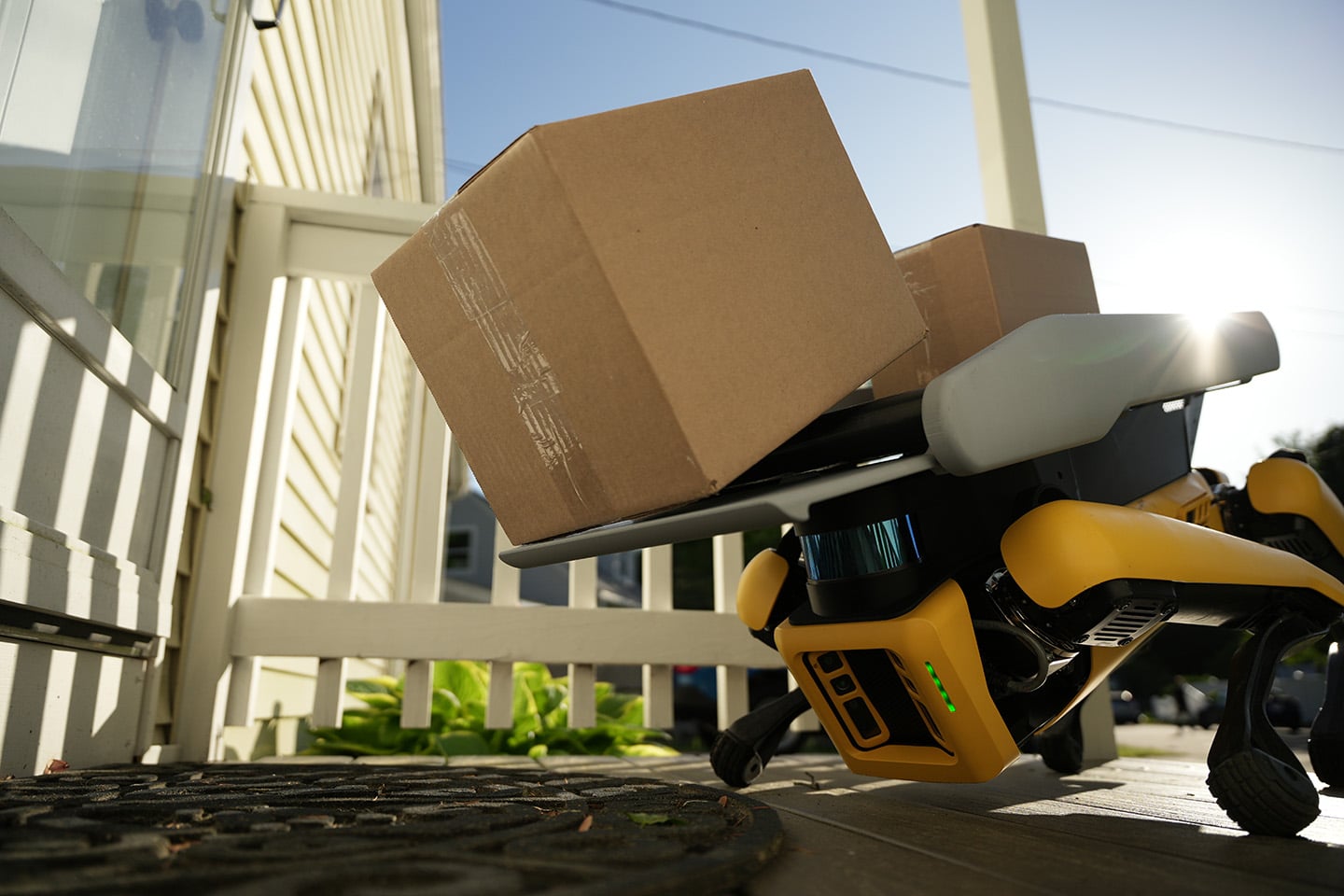
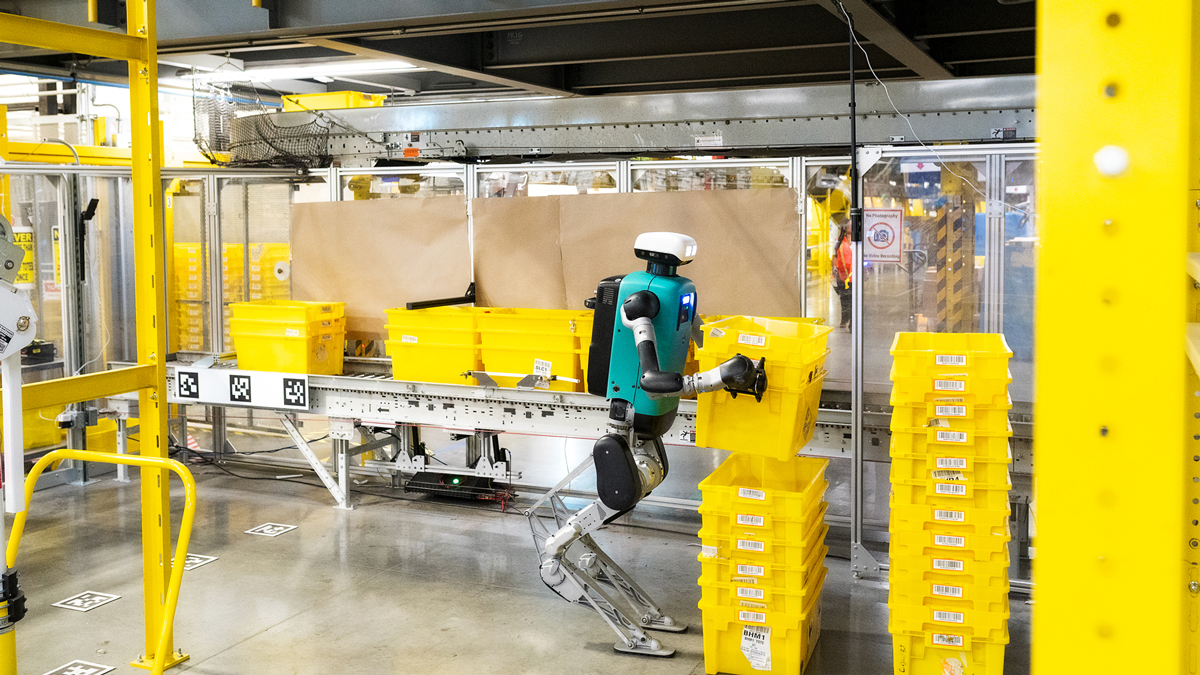
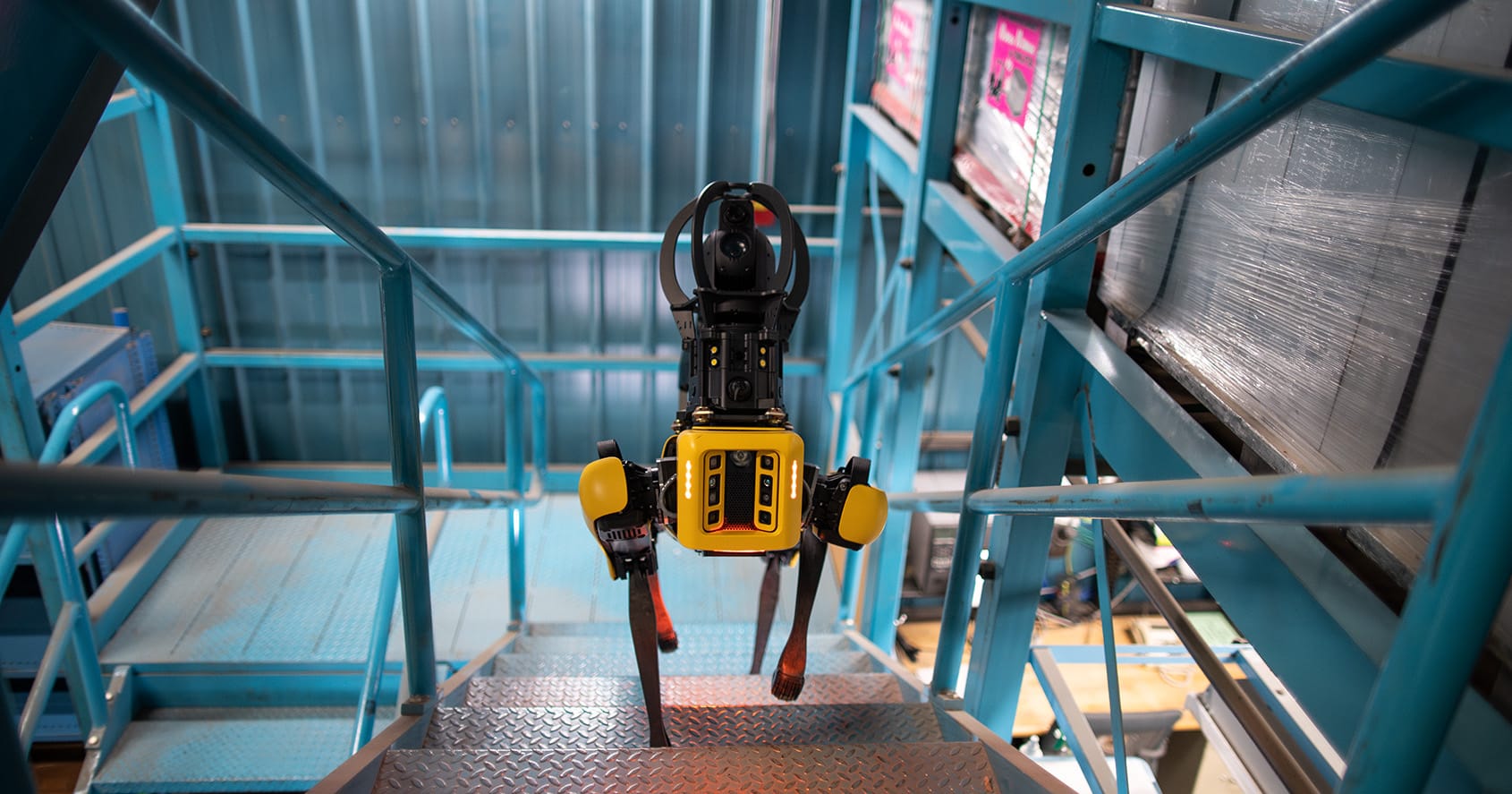
What is already operating The strongest evidence in the announcement concerns Spot, Boston Dynamics’ quadruped mobile robot. The company describes Spot as already deployed for industrial inspections, enterprise asset management and public-safety work. Those uses are operational categories, not laboratory demonstrations: Spot is designed to collect information in places where routine inspection or hazard assessment can expose people to risk. The new facility may increase the company’s ability to manufacture, train and support these systems, but it does not by itself prove higher inspection accuracy, longer endurance or safer autonomous operation. Stretch occupies a different part of the portfolio. Boston Dynamics describes it as a box-moving robot that is currently being deployed with logistics and retail customers. That wording matters. It supports the conclusion that Stretch has moved beyond a pure prototype, while also signalling that deployment is still being expanded rather than fully scaled across every customer environment. The announcement gives no throughput results, uptime figures, site count or independent safety assessment for those deployments. Readers should therefore treat “currently being deployed” as evidence of commercial activity, not as a universal performance claim. Where Atlas still stands Atlas is the clearest example of the boundary between product ambition and proven field use. Boston Dynamics identifies Atlas as an electric humanoid platform currently in development. The Waltham project is presented as part of the company’s effort to build the manufacturing, research and training capability needed for its next phase, but the announcement does not establish that Atlas is already performing routine production work at scale. That distinction is especially important in humanoid robotics. A staged demonstration can show balance, manipulation or mobility in a controlled setting. A sustained industrial deployment must also handle changing layouts, recovery after faults, maintenance, connectivity, human interaction and the site’s risk controls. The Waltham announcement does not provide those operational measurements for Atlas. It is better read as evidence of investment in the path toward deployment than as proof that the path is complete. Safety and operational limits The company frames the new center around manufacturing, training and research, but it does not announce a new safety standard or a new validation protocol. That leaves the practical safety case at the level of each robot and each worksite. Spot inspections still require a mapped operating area, trained operators, appropriate payloads and procedures for intervention when the robot encounters stairs, obstacles, poor visibility or a communications problem. Stretch deployments require site-specific integration around conveyors, trailers, people and material flows. Atlas, as a platform still in development, requires even more evidence before claims about shared factory work can be generalized. For buyers and operators, the useful signal is not the building’s size alone. It is the separation between established and prospective work. Spot has a documented industrial role. Stretch is being introduced into logistics and retail operations. Atlas remains under development. The new center could improve manufacturing capacity, service coverage and training resources, but those benefits are planned outcomes, not results already demonstrated by the announcement. Why the announcement matters Robotics companies often describe future factories and AI centers in terms of scale, intelligence and transformation. Boston Dynamics’ announcement is more useful when read as an infrastructure milestone. It shows that the company is committing physical space and capital to support three different maturity levels: a mobile inspection robot with existing deployments, a warehouse robot still expanding across customer sites, and a humanoid platform that has not yet reached the same operational footing. That is the credible takeaway for today. The Waltham project may strengthen Boston Dynamics’ ability to build and support robots, but it does not replace site trials, risk assessments or performance data. Until those measurements are published, Spot and Stretch should be evaluated as the company’s current field-facing systems, while Atlas should remain labelled as development work with future industrial ambitions. The company’s official announcement supports a clear editorial conclusion: Boston Dynamics is expanding the infrastructure behind its robotics business, while the real-world evidence remains uneven across its platforms. Official sources Official source: bostondynamics.com Related reading Kawasaki San Jose Physical Ai Hub Deployment Evidence Nvidia Sim To Real Research Field Robot Developers