Confirmed facts
Amazon announced on June 30, 2025, that it had deployed its millionth robot at a fulfillment center in Japan. The company also introduced DeepFleet, a generative AI foundation model designed to coordinate robot movement across a network of more than 300 fulfillment sites.
Source statements
The milestone is less about a single machine than the software coordinating many different machines. DeepFleet uses inventory-movement data and AWS tools, including Amazon SageMaker, to manage how robots travel through fulfillment centers. Amazon says the system improves fleet travel time by 10%. That figure describes coordination within Amazon’s own operation; it is not a published benchmark for independent robots, outdoor platforms or mixed-vendor fleets.
Newsroom analysis
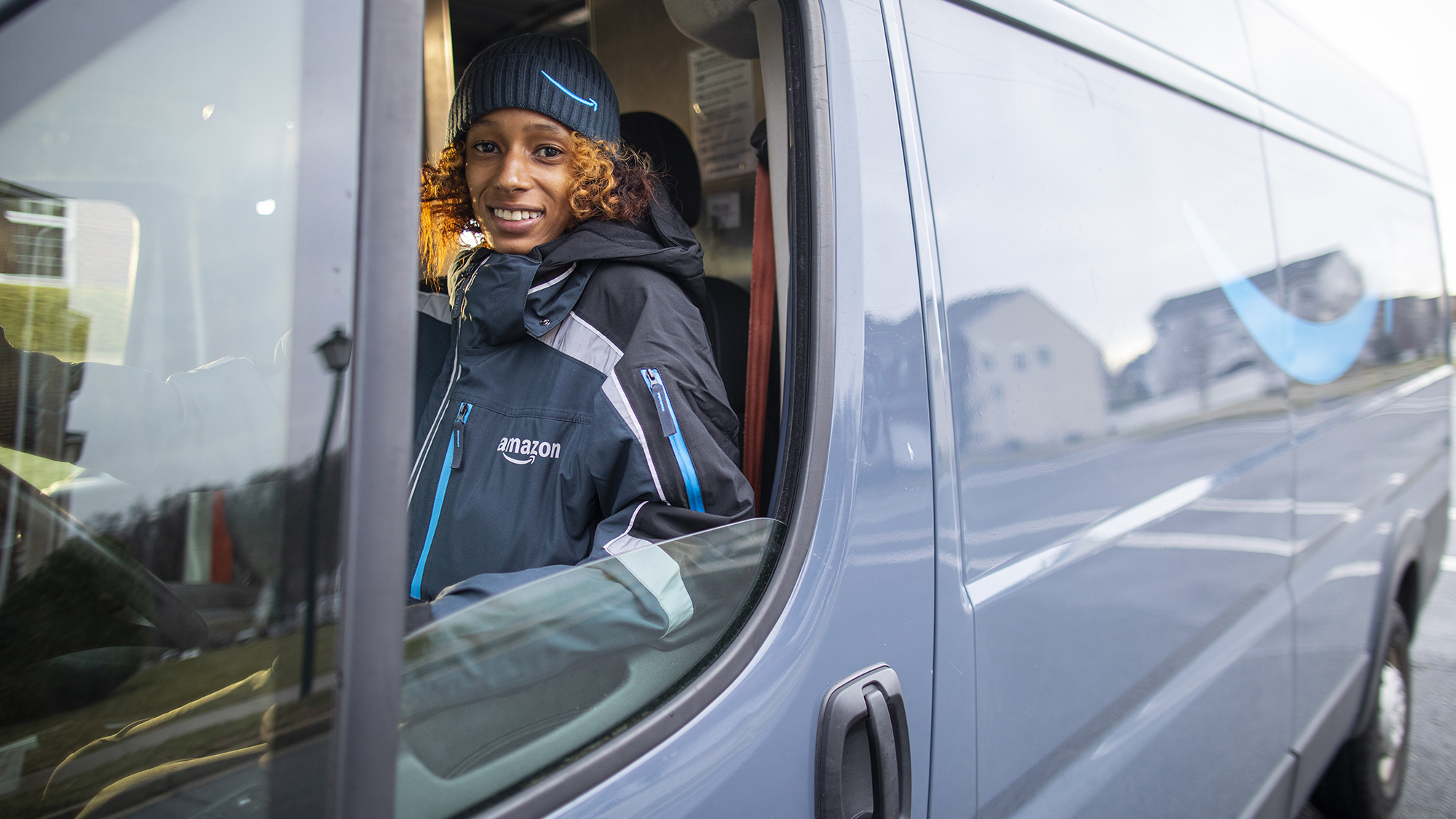
A million robots with distinct jobs The fleet includes machines built for different steps in the logistics process. Hercules robots can lift and move up to 1,250 pounds of inventory. Pegasus robots use precision conveyors to process individual packages. Proteus, which Amazon presents as its first fully autonomous mobile robot, can navigate around employees in open, unrestricted areas. That division of labor gives the headline a more precise meaning. Amazon is describing a large operational system for moving inventory and packages through fulfillment centers, not a general-purpose robot network. Employees and robots work alongside one another, while the machines take on heavy lifting and repetitive tasks. Proteus shows why the site matters Proteus’s ability to move around employees is the clearest safety-related capability in the announcement. It also defines the limits of what the deployment demonstrates. Open, unrestricted areas inside a fulfillment center have established workflows and infrastructure; the available information does not show that the same behavior has been validated on construction sites, in public spaces or in other changing field conditions. Amazon says it has upskilled more than 700,000 employees since 2019 through training programs, including programs connected to advanced technologies. That workforce context is part of the deployment itself. The stated model combines automation with employees who remain involved in the operation, rather than presenting the robots as a replacement for the full logistics workforce. DeepFleet is not yet an interoperability standard Its documented scope is Amazon’s fulfillment-center network. For developers, that makes the system a concrete reference for fleet orchestration, data-driven routing and AWS-based robotics infrastructure. It does not establish interoperability with third-party hardware, however, and the announcement provides no regulatory certification or jurisdiction-specific operating requirements. Amazon’s million-robot milestone therefore supports a substantial internal fleet-coordination deployment with defined worker-assist roles. It does not settle how DeepFleet or the same safety performance would transfer to another operator, another robot supplier or another environment. Any such expansion would still depend on site-specific integration and separate safety and regulatory validation. Official sources Official source: aboutamazon.com Related reading Nasa 2026 Lunabotics Challenge Lunar Field Robot Development Nvidia Isaac Ros Field Robot Development