Hechos confirmados
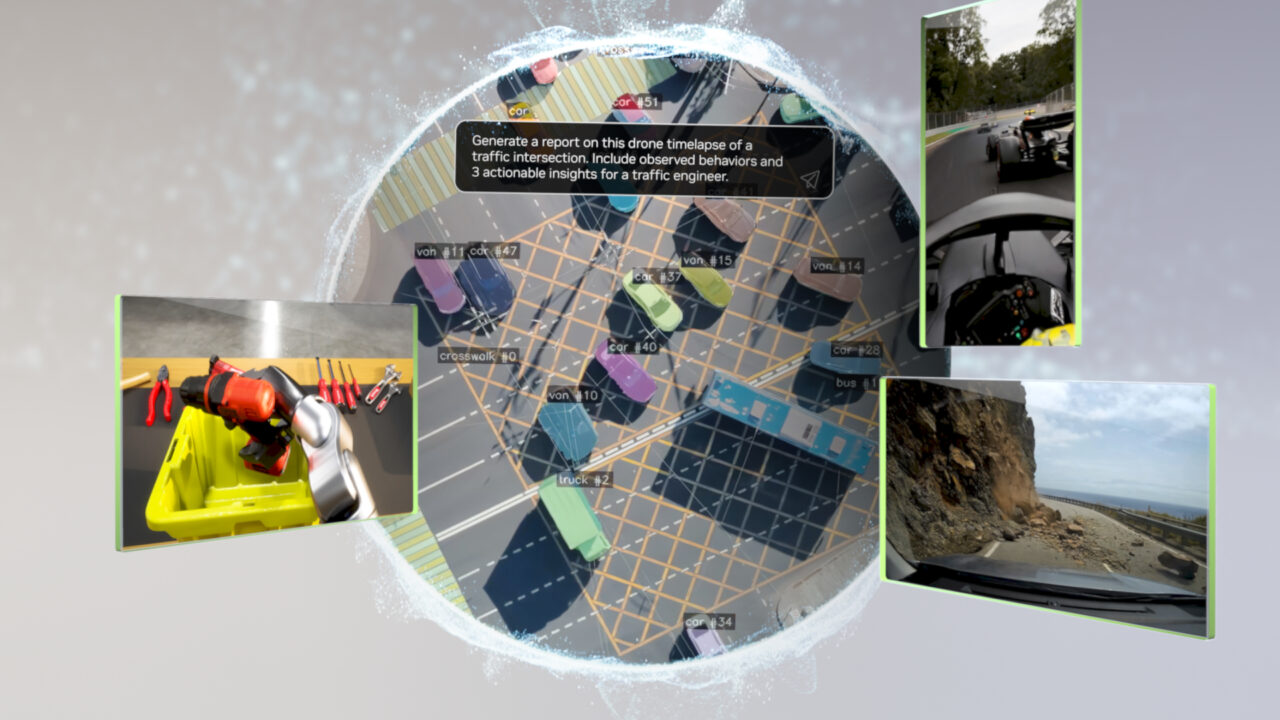
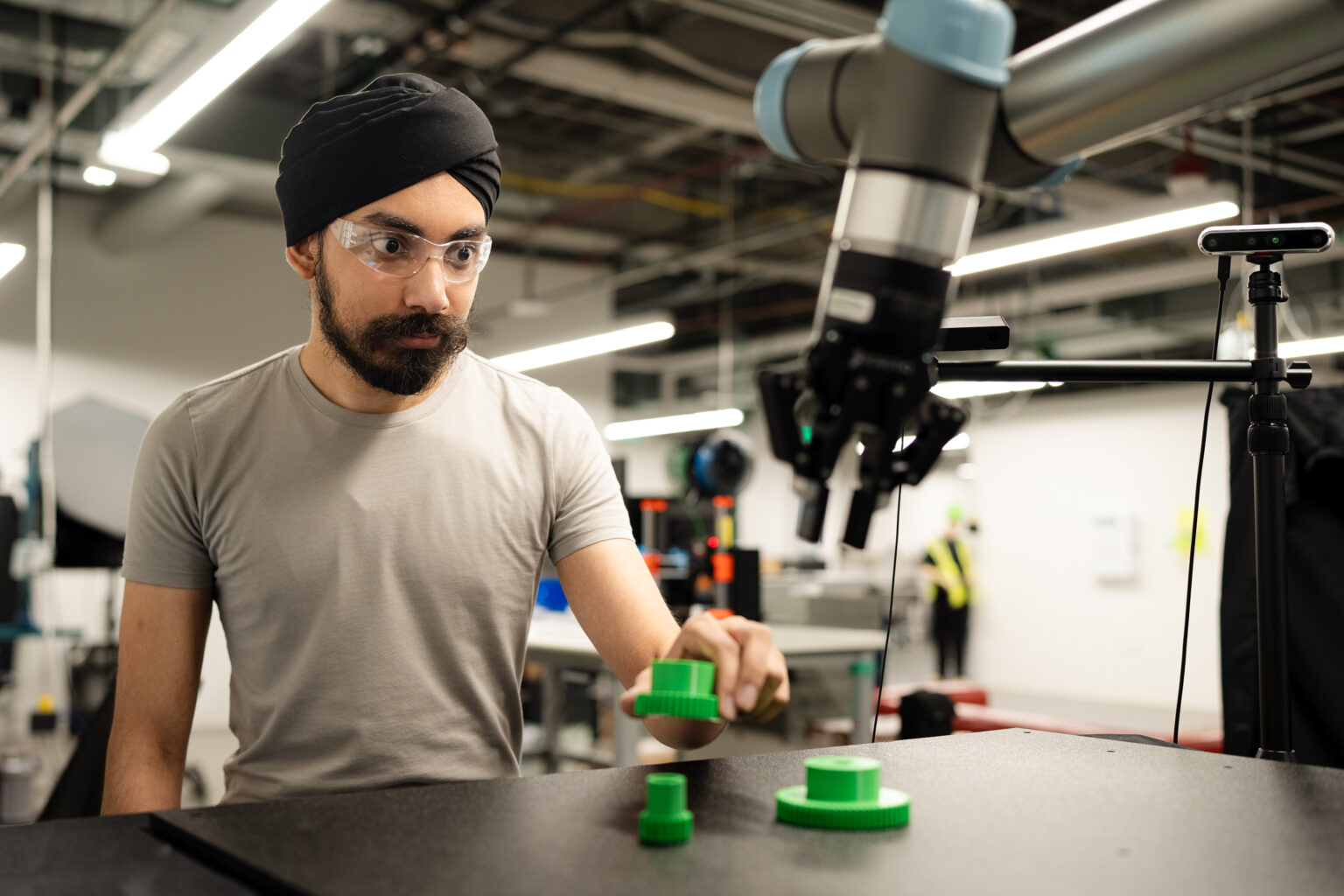
NVIDIA’s June 30, 2026 article presents Isaac ROS as a software foundation for developers working on autonomous mobile robots, manipulation systems and humanoids. Built on the open-source ROS 2 framework, it combines CUDA-accelerated libraries with AI models. For field-robot teams, the important point is the breadth of platforms and robot types the stack is designed to support.
Declaraciones de la fuente
One stack, several robot classes
Análisis de la redacción
Isaac ROS provides packages for perception, object detection, mapping, collision detection and motion planning. Those components cover several of the core problems a mobile or manipulator robot must solve before it can operate reliably around objects, people and changing spaces. The source describes the available building blocks, but it does not provide benchmark results showing how they perform on a specific robot or site. Compatibility is the practical story NVIDIA says Isaac ROS can run on workstations, NVIDIA DGX Spark personal supercomputers and NVIDIA Jetson edge systems. That gives developers three stated computing environments for building and deploying robotics software, from a desktop development setup to an edge device mounted closer to the robot. The facts do not establish that every package or model behaves identically across those systems, so platform-specific validation remains part of deployment work. The framework is modular, and its packages can be combined with existing ROS code. Teams with an established ROS stack can therefore select the components relevant to their application instead of treating Isaac ROS as a complete replacement for their software. That compatibility is more concrete than a general promise of openness: it directly affects how much existing code a development team can retain. Safety tools, not a safety verdict Collision detection and motion planning are included in the package list, making safety-related behavior part of the development toolbox. They are still software capabilities, not proof that a robot is safe in a particular environment. A real deployment depends on the robot’s hardware, sensors, operating conditions and human workflow, while the available facts do not establish regulatory approval or a measured safety result for any of them. Isaac ROS’s open-software model also changes how teams can maintain a system. NVIDIA says developers can inspect the code, modify it, contribute fixes and maintain it over time. That visibility can help a team adapt components to its own robot and keep changes understandable, but it also puts more responsibility on developers to know what they are changing and how those changes affect the deployed system. The concrete change is a reusable ROS 2 software layer that spans workstations, DGX Spark and Jetson systems while covering perception, mapping, collision detection and movement planning. What it does not establish is that a robot is ready for unsupervised field work, or that compatibility and safety have been proven for a particular deployment. Those decisions still belong to the team integrating the framework with a real machine and a real operating site. Isaac ROS is significant for developers who want modular robotics software that can move between several NVIDIA compute classes and work alongside existing ROS code. Its practical value will depend on the robot, sensors and operating environment chosen by each team. The announcement supports a development-platform story, not a blanket claim of field readiness. Official sources Official source: blogs.nvidia.com Related reading Boston Dynamics Spot Porch Delivery Demo Pilot Limits Omron Hw32 Cobots End Of Life Safety Migration